15 Nov 2026
Licensing Evolution: Impacts on Casino Resort Business Models
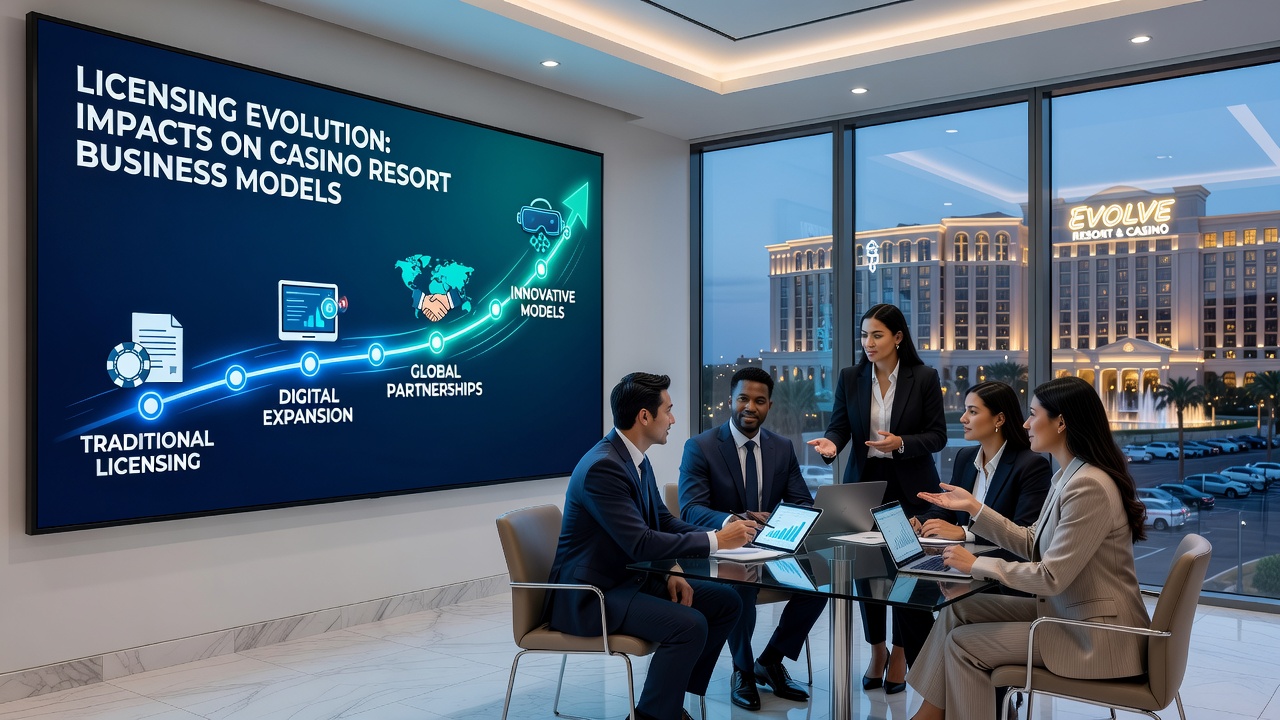
Regulatory frameworks for casino operations have shifted substantially over recent decades as governments adjusted licensing requirements to address revenue needs alongside consumer protection priorities. These changes directly influence how resort operators structure their revenue streams, expand facilities, and integrate additional services such as hotels, entertainment venues, and dining options. Data from the Nevada Gaming Control Board indicates that licensing adjustments since the early 2000s have allowed resorts to incorporate non-gaming amenities more freely while maintaining strict compliance standards on core gaming activities.
Historical Shifts in Licensing Requirements
Early casino licensing systems focused narrowly on gaming floors and basic operational oversight, whereas later iterations expanded to cover integrated resort developments that combine multiple revenue sources under one license. Researchers at the University of Nevada, Las Vegas documented how initial restrictions in the 1980s limited operators to gaming revenue alone, yet subsequent reforms permitted bundled business models that include lodging and events. This transition occurred because authorities recognized the economic benefits of diversified operations that generate taxes from multiple streams rather than gaming alone.
By the 2010s many jurisdictions introduced tiered licensing categories that distinguished between pure gaming venues and full-scale resorts, which created pathways for operators to scale up facilities without separate approvals for each component. Figures from the Australian Institute of Criminology reveal that such tiered systems correlated with increased capital investment in resort infrastructure across several states, as operators gained clearer guidelines on what expansions qualified under existing licenses.
Regional Variations and Their Business Effects
Licensing approaches differ markedly across regions, which forces resort companies to adapt strategies when entering new markets. In the United States, state-level agencies such as the New Jersey Division of Gaming Enforcement have emphasized responsible gaming provisions within licenses, requiring resorts to allocate portions of revenue toward player support programs. This requirement has prompted operators to embed compliance teams directly into business planning rather than treating them as separate departments.
Canadian provinces adopted online gaming licensing alongside traditional resort permits, allowing operators to link physical properties with digital platforms under unified regulatory oversight. Reports from the Canadian Gaming Association show that resorts leveraging these combined licenses experienced steadier revenue during periods of fluctuating visitor numbers because digital channels supplemented on-site activity. In contrast, European markets outside the United Kingdom have pursued centralized licensing through bodies like the Malta Gaming Authority, which influences how international resort chains structure cross-border partnerships.

Adaptations in Resort Revenue Structures
Operators have responded to licensing evolution by reallocating resources toward non-gaming segments that face fewer regulatory hurdles in many jurisdictions. Hotels, convention centers, and live entertainment spaces now contribute larger shares of total income at resorts where licenses explicitly permit such diversification. Studies conducted by the National Bureau of Economic Research found that properties operating under modernized licenses reported higher overall profitability when they balanced gaming with hospitality offerings.
Yet licensing updates have also introduced new compliance costs that affect smaller resorts disproportionately. Detailed reporting on financial transactions, player tracking systems, and anti-money laundering protocols requires ongoing investment in technology and staff training. Those who studied licensing records across multiple states note that larger chains absorb these expenses more easily through economies of scale while independent operators sometimes pursue partnerships to share compliance infrastructure.
November 2026 Developments on the Horizon
Regulatory calendars point to potential licensing revisions scheduled for implementation in November 2026 in select markets, particularly those expanding sports betting integration within existing resort licenses. These upcoming changes aim to standardize how operators report combined gaming and betting revenues, which may streamline tax collection while requiring updated software systems. Industry reports from the International Association of Gaming Regulators suggest that resorts already investing in unified data platforms will face smoother transitions compared with those maintaining separate systems for different activities.
Conclusion
Licensing evolution continues to reshape casino resort business models by redefining what activities qualify under a single permit and how operators must allocate resources for compliance. As frameworks adapt to include digital components, diversified amenities, and regional sports betting, resorts adjust their physical layouts, revenue priorities, and partnership strategies accordingly. Observers tracking these trends across jurisdictions see consistent patterns where clearer licensing pathways support larger-scale developments while maintaining oversight mechanisms that protect public interests.